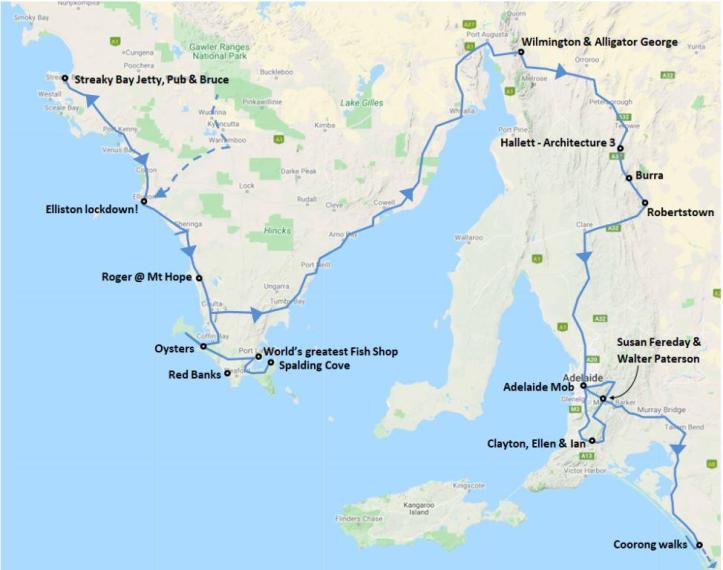
By the way …. currently in Adelaide and planning to head to Western Australia tomorrow – /, 16th ,./18th 20th March
Next stop Hallett, Terowie staying in Booborowie for two or thee nights …. interesting part of the world historically.
Elliston
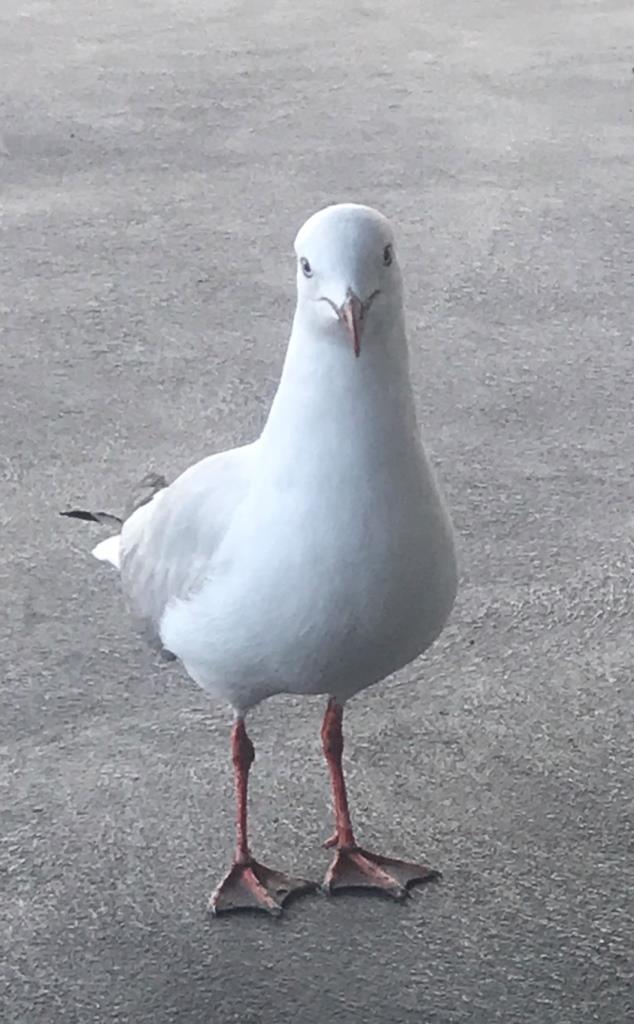
Streaky Bay
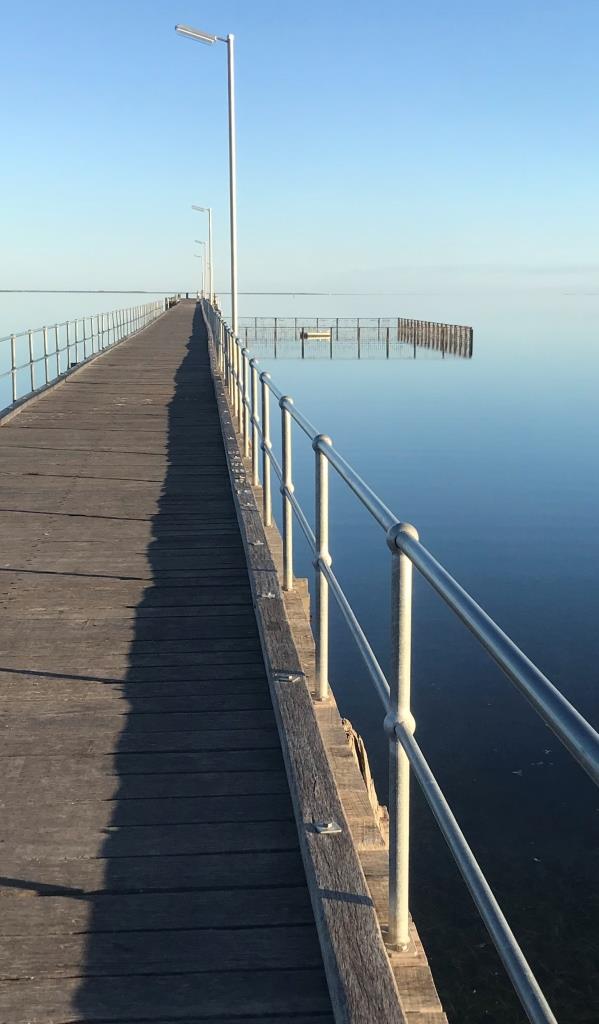
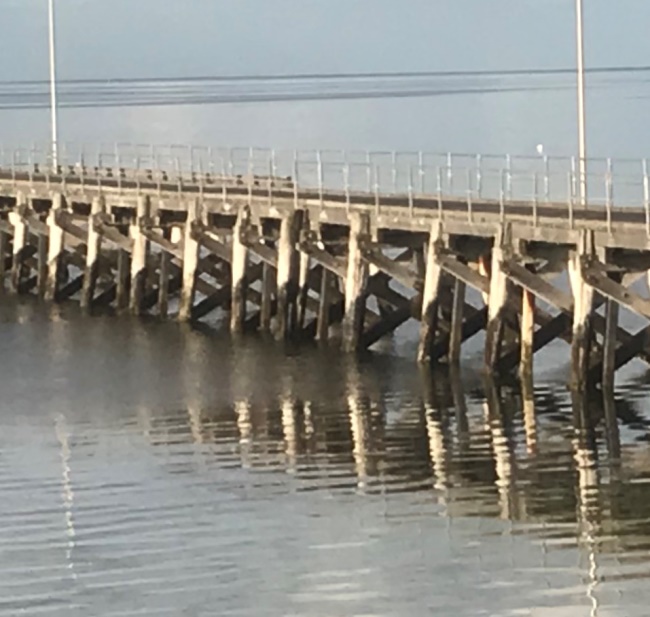
Nibbling the edges of the jetties mirror reflections
The now familiar south-easterly
Feather sweeps the image
Created by the muggy tropical stillness
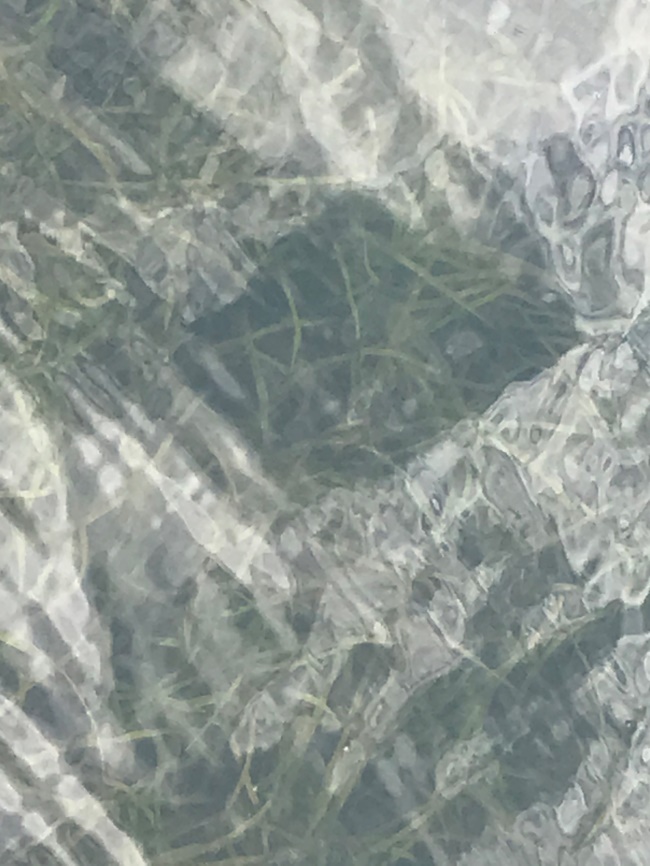
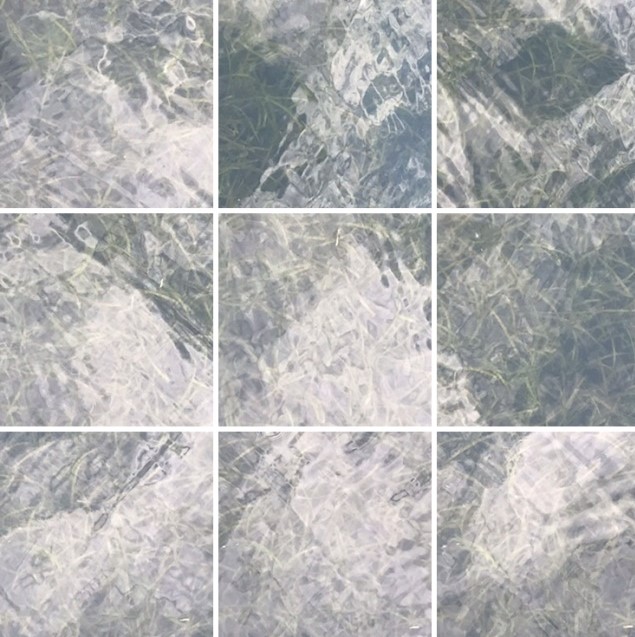
Refracted and reflected light
Creating patterns
On the saltwater surface
Obscuring an elusive seagrass underworld.
Sheringa
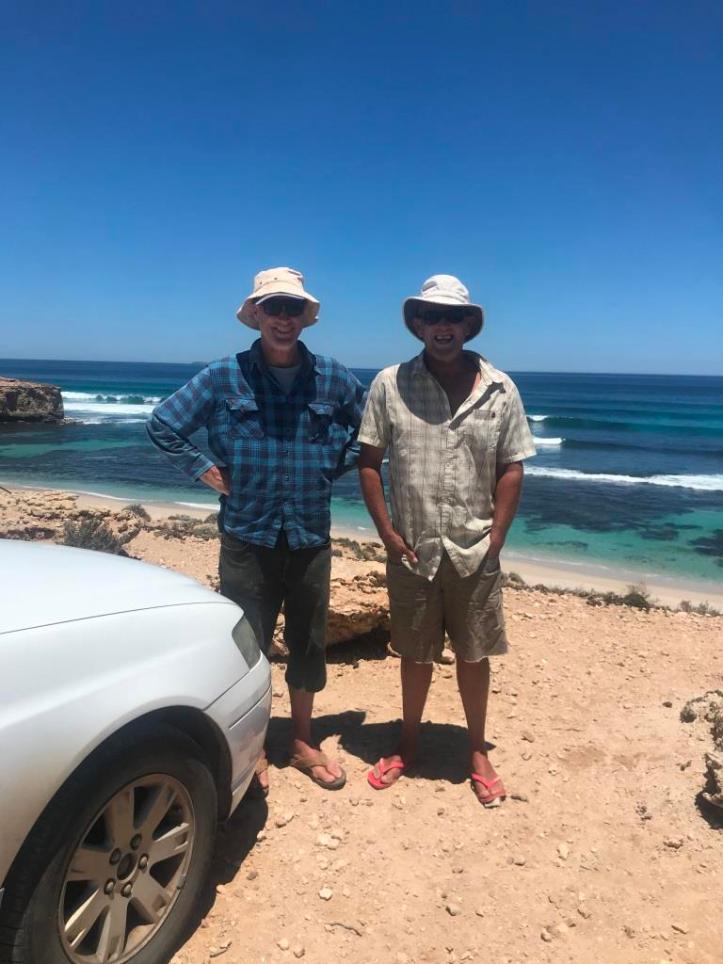
Wilmington
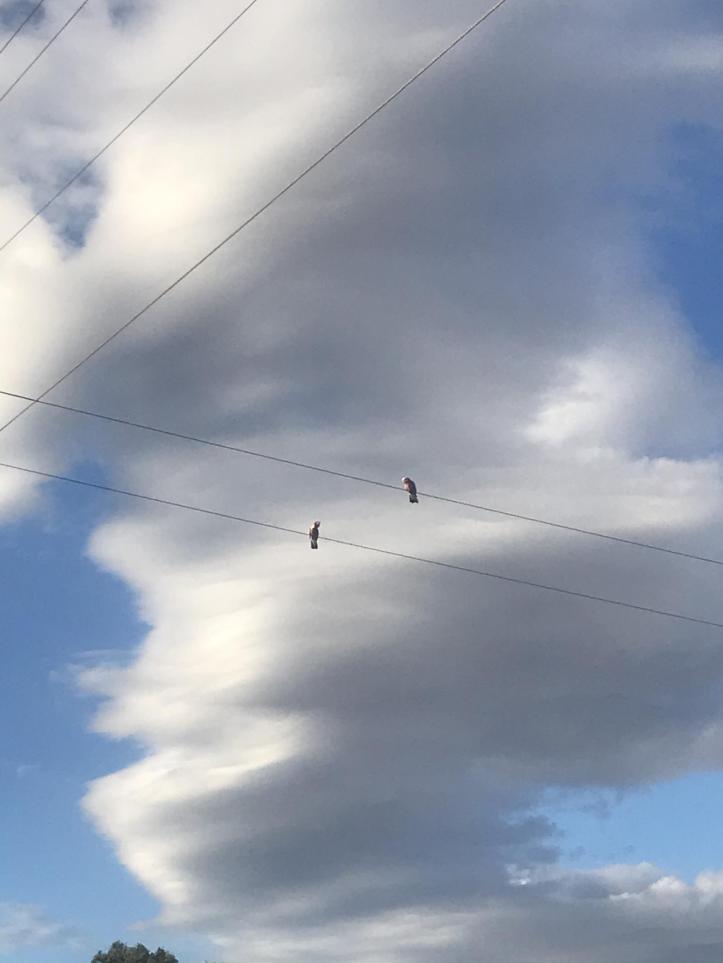
Hallett, SA
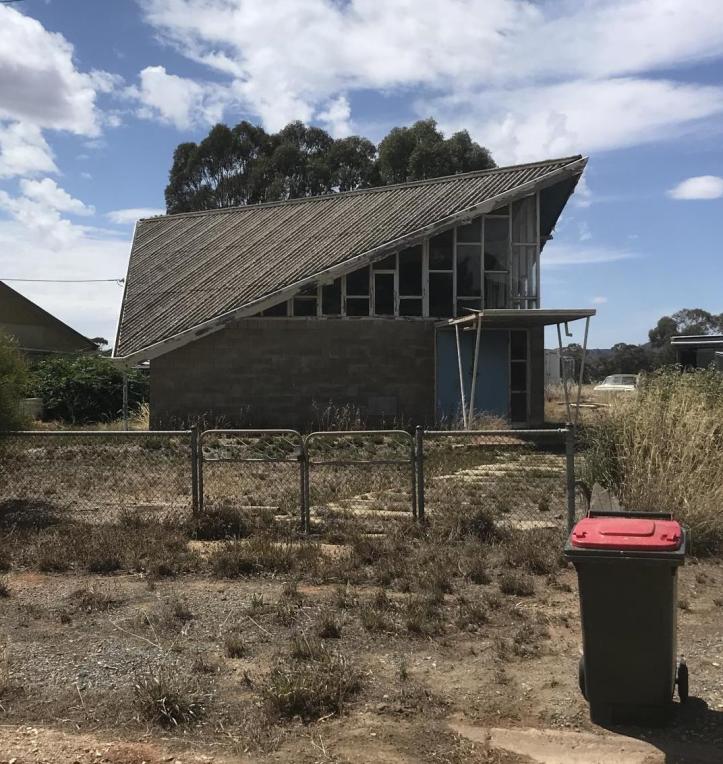
Hallett is located 32 kilometres north of Burra and 38 kilometres south-east of Jamestown. The Good Shepherd Catholic Church was formerly the Hallett Freemasons Lodge; once the second-smallest lodge in the state, it closed in 1978 and was acquired by the Catholic Church in 1980. The building remains but no longer operates as a Church, having fallen into disrepair. The foundation stone indicates an opening date of 1957.

Visit to the Art Gallery of South Australia
Having a bash at movie making
Rundle Street
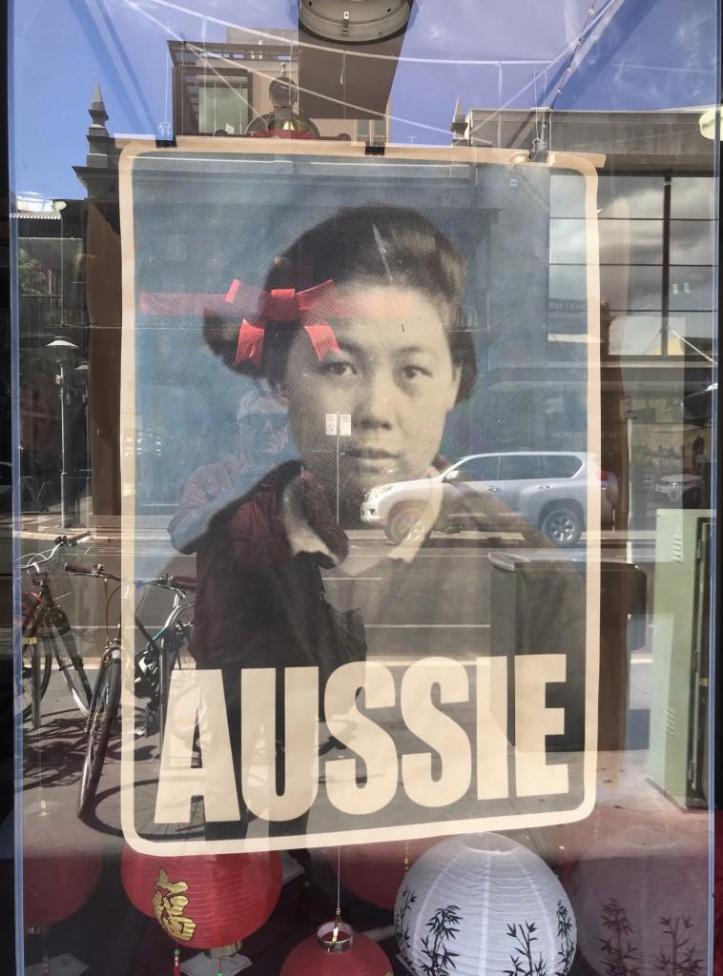
How much is that compassion in the window?
Willunga
North Terrace, Adelaide
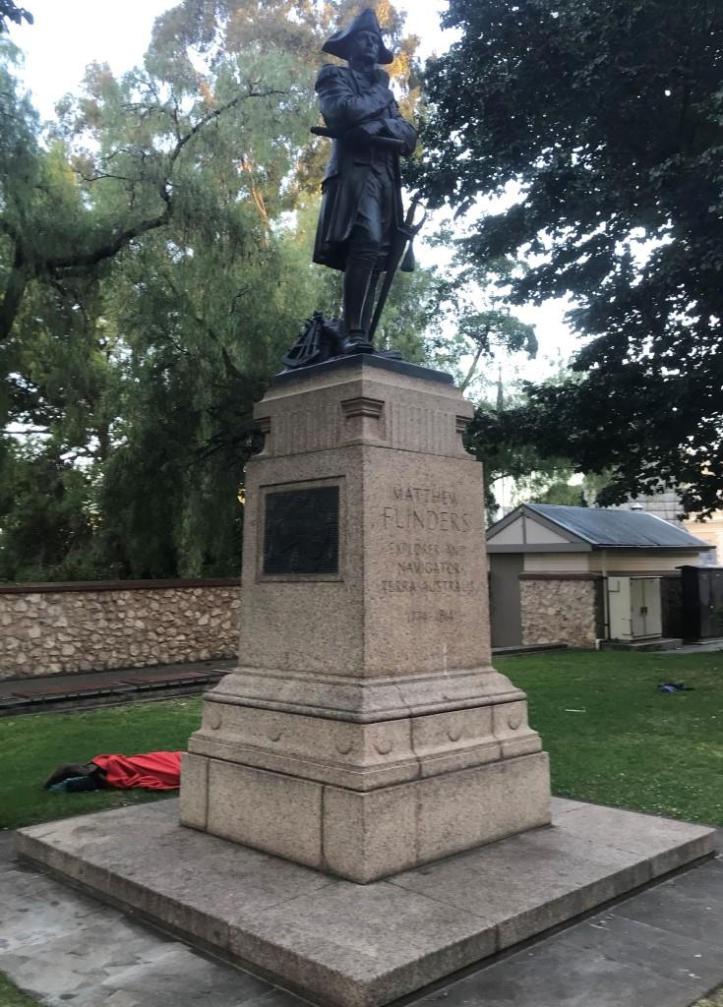
After being on Eyre Peninsula for a couple of months the statue of Mathew Flinders on North Terrace caught my eye (as he and his cat have been immortalised in numerous places on the peninsula) …. and I took a photograph.
It wasn’t until after I had taken the photo that I noticed the red figure behind.
Athelstone

Wistow
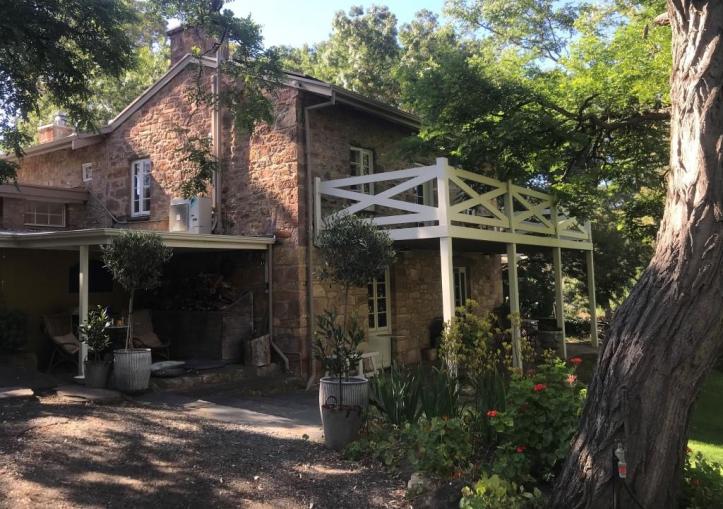
Ellen and Annie Buttrose got hooked on following up the family history while we were in Adelaide to the extent we bowled up uninvited to Yunkunga, the house Ellen’s great-great-great-great-grandfather Walter Paterson built in 1839. The two dug up a huge amount of information including:- Walter Paterson (1811 – 1894) and wife Helen (1814 – 1842) who died at 28 years of age had a daughter Helen McGregor Paterson (1836 – 1917). Helen married John Paterson, son of James Paterson and brother of Walter (eg 1st cousin)! Helen was a nurse and a midwife. John and Helen travelled by bullock dray from Tinpot slightly north of Woodchester S.A. to Mocamboro near Merino, Victoria. They had their first child in South Australia in 1862 and another born in 1863 who was rumoured to have been taken from their camp by a dingo. So Azaria Chamberlain may not have been the first!
Walter Paterson was an interesting person also.
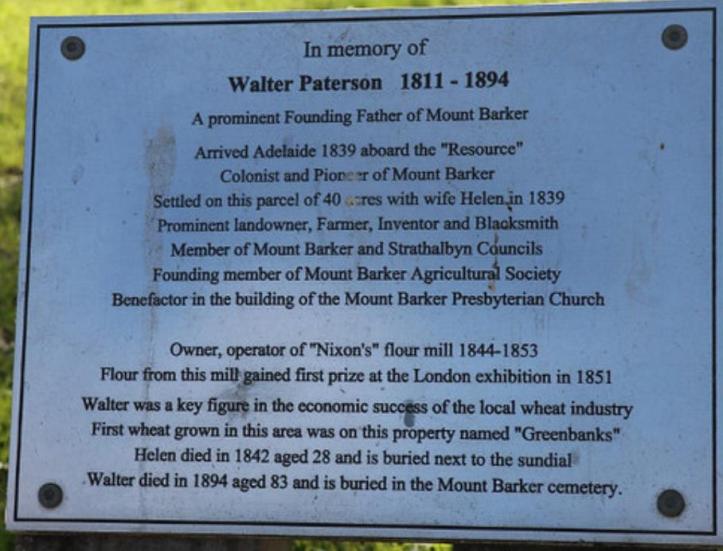
The above plaque is located on a triangular reserve bounded by Hurling Drive, Wellington Road and Wattle Street. Walter’s wife Helen McGregor died in 1842, before any local cemeteries had been established. The gravesite and sundial have two substantial River Red Gums as sentinels, and monument includes two wheels from the original stripper. Walter’s award winning flour was exhibited at the London Exhibition of 1851 which was housed in The Crystal Palace, a glass and cast iron structure designed by Architect Joseph Paxton. https://www.archdaily.com/397949/ad-classic-the-crystal-palace-joseph-paxton.
More about Nixon’s flour mill below. Walter Paterson was one of the Mount Barker district’s most significant early residents. He arrived in South Australia with his family in 1838, and first worked as a carpenter for John Barton Hack at his Echunga Springs property (early 1839). He learnt from Hack of the fine farming land to be had in the Mount Barker area, and formed a partnership with Thomas Lambert to purchase his first farm – the 40-acre ‘Greenbanks’. He also worked as a local builder, constructing the first house in Mount Barker for Duncan McFarlane in January 1839. By 1842, Paterson had constructed a fine stone house at Yunkunga. The partnership increased its landholding to include the land from Hurling Drive to Wistow, then across to Yunkunga, and between Littlehampton and Hahndorf (‘West Hill’). In 1844, Paterson purchased Nixon’s windmill near Hahndorf, and in the following years he erected a number of workers’ houses, as well as a sawmill and brickworks. A high level farmer,
Paterson is credited with growing the first wheat in the area, and also making significant improvements and later manufacturing Ridley’s Reaper. Paterson also constructed various farming machinery, initially solely from timber, and eventually, after becoming a self-taught blacksmith, from various metals. In 1851, Lambert & Paterson dissolved their partnership, with the former taking the Bungarilla and Greenbanks properties, and Paterson retaining the fine Yunkunga estate, with its stone barn and two-storey house. Paterson left a significant mark on the district, from his Yunkunga property (photo above), to the cottages and ‘Paterson Bros sawmill’ at West Hill (near Littlehampton), to the poignant gravesite at Paterson Reserve (photo above).
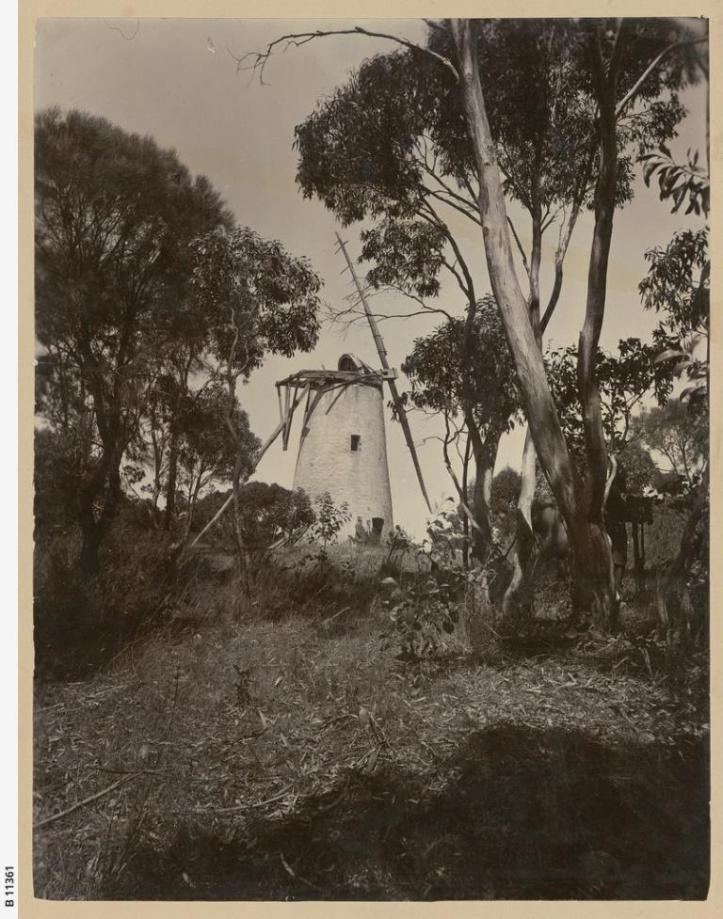
Nixon’s Mill located on Windmill Hill, Mount Barker developed as a milling centre in the 1840’s. Frederick R Nixon’s wind-powered mill was completed in 1842. This mill was located on the brow of a hill overlooking the road between Hahndorf and Mount Barker. Nixon’s Mill ground over half a million bushels of wheat in one season. Milling ceased in 1864 as it could no longer compete with steam mills. Frederick Robert Nixon (1817-1860) was an artist, draughtsman and surveyor. He arrived in South Australia in 1838 to take up his appointment with Colonel William Light’s team of surveyors. In 1839 he was in charge of one of the teams surveying 15,000 acres in the Mount Barker District
The Coorong
While camping on the Coorong at 42 mile crossing I went on a couple of walks. The first video is of a day walk along the sea side of the dunes which is accessed via a 1.2km track thru sand dunes. The second day walk was along the Lakes Nature Walk Trail which went past ephemeral lakes, through mallee scrub and over low sand dunes.
Cheers for now 87)
 Sphere Observations
Your seagrass photographic artwork is beautiful…
LikeLike
If you’re going past Cape Otway, camp in the she-oaks on topi of the 100m high cliffs at Moonlight Head, you’ll be amazed! Peering down on cray boats is the least of it.
LikeLike
Camped in Otway on my way over to Tasmania in January, nice spot … now heading west to WA
LikeLike
Great to get the report Mark and good luck in WA. Will the Lawnmower make it across the Nullarbor? Put on the sunscreen!
LikeLike
Hope it will make it across! We will find out in the next week or so.
LikeLike